
For women researching healthcare services online, the path from discovering a practice to booking an appointment is rarely immediate. A prospective patient may visit a website, explore treatment options, read a blog post, compare providers, and leave without scheduling. That doesn’t necessarily mean she’s lost interest. Often, she simply needs more time, information, or reassurance before making a healthcare decision.
This is where healthcare retargeting can make a meaningful difference.
For Women’s Health practices, retargeting provides an opportunity to reconnect with prospective patients who have already shown interest in a service. When thoughtfully planned, it can support digital advertising, strengthen healthcare marketing, and complement Online Advertising campaigns without making patients feel pressured.
The key is simple: be helpful, not intrusive.
What Is Healthcare Retargeting?
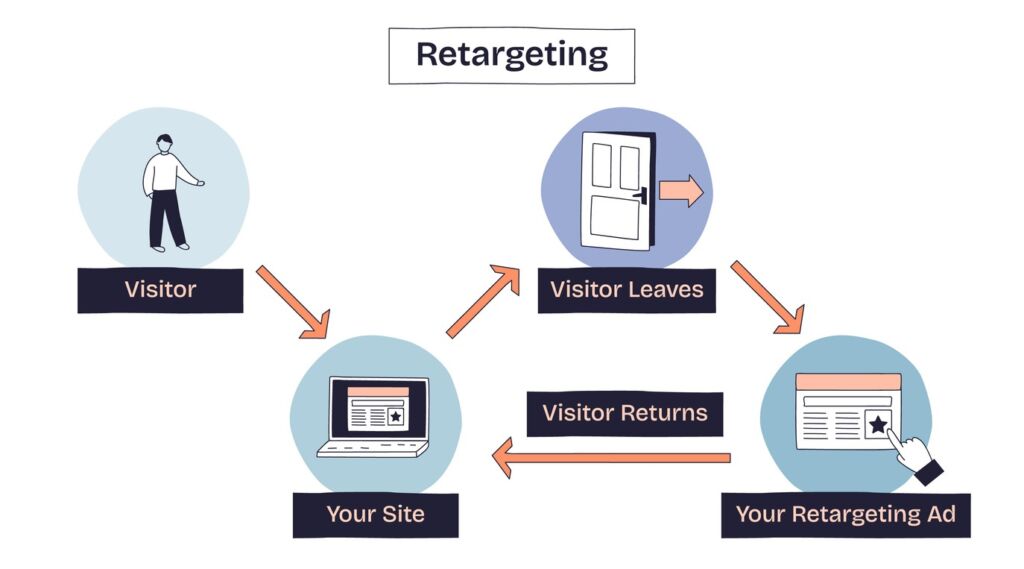
Healthcare retargeting is a form of Online Advertising that allows practices to reconnect with people who have previously interacted with their website, content, or digital campaigns. Instead of advertising to a completely cold audience, a practice can show relevant messages to people who have already demonstrated an interest.
For example, someone might visit a Women’s Health practice website to learn about annual wellness exams but leave before contacting the office. A carefully designed retargeting campaign could later present an educational advertisement about what to expect during a wellness visit.
This approach makes Retargeting Ads more relevant because they are based on previous engagement rather than random audience targeting.
For Women’s Healthcare providers, relevance matters enormously. Healthcare decisions are personal, and patients may need several interactions with a practice before they feel comfortable taking the next step.
Why Retargeting Matters for Women’s Health Practices
Women frequently research healthcare services before choosing a provider. They may be looking for information about reproductive health, preventive screenings, maternity care, menopause management, gynecology, or specialized treatments.
That research creates multiple opportunities for healthcare digital marketing.
Traditional Healthcare Advertising may introduce a practice to a new audience, but Retargeting focuses on people who have already interacted with the brand. This distinction can make a campaign more efficient because advertising dollars are directed toward audiences with demonstrated interest.
Effective Medical Practice Marketing should recognize that patient journeys are rarely linear. Someone who visits a service page today may not be ready to schedule an appointment until next week, or even next month.
A thoughtful Remarketing strategy helps maintain brand awareness during that consideration period.
1. Segment Audiences Instead of Retargeting Everyone
One of the biggest mistakes practices can make is treating every website visitor the same.
A person who spent five minutes reading about prenatal care has a different intent from someone who briefly visited the homepage. Similarly, someone who viewed a specific treatment page should not necessarily receive the same advertisement as someone who downloaded a general healthcare guide.
Effective healthcare retargeting starts with audience segmentation.
Consider creating groups based on:
- Pages visited
- Services researched
- Content downloaded
- Engagement level
- New versus returning visitors
- Appointment-booking behavior
Segmentation allows Retargeting Ads to provide more relevant information instead of repeatedly displaying a generic “Book Now” message.
For instance, a visitor researching menopause services could receive educational content about treatment options, while someone exploring preventive care could see reminders about the importance of routine screenings.
This personalized approach supports patient engagement strategies while keeping the experience useful.
2. Lead With Education, Not Pressure
Healthcare is different from many consumer industries. A person may not be ready to purchase a service simply because she clicked an advertisement.
That is why Medical Marketing should prioritize trust.
Instead of repeatedly promoting an appointment, practices can use healthcare advertising to answer common questions. Educational messages can include information about what a consultation involves, when patients should consider a screening, or what questions they may want to ask their provider.
This is where Healthcare SEO and paid campaigns can work together.
A practice’s Healthcare SEO strategy can create valuable educational pages that answer patient questions organically. Those same resources can become destinations for Healthcare PPC and retargeting campaigns.
For example, a practice could publish an article explaining what to expect during a first gynecology appointment and then use Google remarketing to reconnect with visitors who read related content.
The objective is not to chase patients. It is to remain a trusted source of information.
3. Use Frequency Caps to Avoid Ad Fatigue
Seeing the same healthcare advertisement repeatedly can quickly become frustrating.
An effective healthcare retargeting strategy therefore needs frequency controls. These limits prevent an individual from seeing the same message too many times within a short period.
This is especially important in Women’s Health, where some topics can be sensitive or deeply personal.
For example, repeatedly displaying an advertisement about a specific medical concern could feel uncomfortable. A better strategy may be to limit the number of impressions and rotate several educational messages.
Frequency management is an essential component of responsible Medical Advertising because it protects the user experience while preserving brand visibility.
The goal of healthcare digital marketing is not maximum exposure at any cost. It is meaningful exposure that contributes to trust.
4. Create Different Ads for Different Patient Journeys
A strong PPC Marketing campaign recognizes that prospective patients can be at different stages of decision-making.
Someone discovering a practice for the first time may need introductory information. A returning visitor may be looking for details about a specific service. Someone who started an appointment request may simply need a convenient reminder to finish.
This is where Medical Practice Marketing can become more strategic.
For early-stage audiences, advertisements might promote educational resources. For people further along the journey, advertisements could highlight convenient appointment options, provider expertise, or accepted insurance information.
Medical Advertising should reflect these differences rather than using a one-size-fits-all message.
The same principle applies to medical PPC campaigns. Relevant landing pages, useful information, and clear calls to action can create a smoother experience from advertisement to appointment.
5. Make Facebook Retargeting More Helpful
Facebook retargeting can be useful for staying connected with prospective patients who previously engaged with a practice’s digital presence.
However, healthcare advertisers need to approach social platforms carefully. Advertising should avoid messaging that makes assumptions about someone’s health condition or personal circumstances.
Rather than saying, “Are you struggling with menopause?” a practice might promote a general educational resource such as “Understanding Menopause: Questions to Discuss With Your Provider.”
This subtle difference can have a major impact on how an advertisement feels.
Facebook retargeting works best when the creative is informative, respectful, and broadly relevant to the audience.
Visual consistency also matters. A recognizable practice logo, professional photography, and reassuring language can reinforce credibility without overwhelming the viewer.
6. Connect Retargeting With Google Search
Google remarketing can complement search campaigns by keeping a practice visible after a prospective patient has already visited its website.
Suppose someone searches for information about women’s preventive healthcare and visits a practice’s website. She may leave to compare providers or continue researching. A later Healthcare PPC campaign can help the practice remain recognizable when she returns to Google.
Combining paid search with Healthcare SEO can create a broader digital presence.
Organic content helps attract people who are actively searching for information, while Online Advertising can reinforce awareness among people who have already interacted with the practice.
Together, these tactics can support long-term Patient Acquisition rather than relying exclusively on one advertising channel.
7. Retarget Appointment Abandoners Carefully
Appointment abandonment is common. A prospective patient may begin the scheduling process and stop because she gets distracted, needs to check her calendar, or has questions.
This creates an opportunity for Remarketing, but the messaging needs to be subtle.
Instead of repeatedly telling someone to schedule, consider offering helpful information about office hours, appointment availability, or what patients can expect during their visit.
A gentle reminder can support healthcare lead generation without creating pressure.
For Women’s Healthcare practices, this approach can be particularly valuable because patients may take longer to make decisions about sensitive or specialized services.
8. Coordinate Paid Advertising With Organic Marketing
Retargeting should never exist in isolation.
Successful healthcare marketing combines paid and organic channels to create a consistent patient experience. A practice may use PPC Marketing to reach people actively searching for services, Healthcare SEO to build long-term visibility, and social media content to strengthen relationships.
Retargeting can connect these efforts.
For example, a person who discovers a practice through search may read several educational articles before receiving a relevant advertisement. That advertisement could direct her to another useful resource or an appointment page.
This integrated approach makes digital advertising feel less like an interruption and more like a continuation of the patient’s research.
9. Measure More Than Clicks
Clicks are useful, but they are not the ultimate goal.
A strong healthcare retargeting campaign should measure meaningful outcomes such as qualified inquiries, appointment requests, completed forms, and ultimately Patient Acquisition.
Practices should also monitor:
- Conversion rates
- Cost per lead
- Appointment requests
- Landing-page engagement
- Return visits
- Frequency and reach
- Campaign-assisted conversions
These insights can help refine healthcare advertising over time.
For example, if an advertisement receives many clicks but few appointment requests, the landing page may need improvement. If engagement drops as frequency increases, the campaign may need new creative.
Data-driven optimization helps Medical Practice Marketing become more efficient while keeping the patient experience at the center.
10. Build Trust Across Every Touchpoint
Ultimately, successful healthcare digital marketing is built on trust.
Every advertisement, landing page, blog article, and social post contributes to how a prospective patient perceives a practice. In Women’s Health, credibility and empathy matter even more.
That means avoiding sensational language, exaggerated claims, fear-based messaging, or aggressive calls to action.
Instead, effective Healthcare Advertising should communicate expertise while giving prospective patients room to make informed decisions.
A consistent combination of Healthcare SEO, paid search, Retargeting Ads, educational content, and thoughtful patient engagement strategies can help practices stay visible without becoming intrusive.
Conclusion: Stay Relevant, Stay Respectful, Stay Top-of-Mind
The best healthcare retargeting campaigns do not make patients feel watched. They make patients feel supported.
For Women’s Health practices, the opportunity lies in understanding that healthcare decisions take time. A prospective patient may need several touchpoints before she feels ready to contact a provider. By using thoughtful Retargeting, relevant content, controlled frequency, audience segmentation, and respectful messaging, practices can remain visible throughout that journey.
When combined with Healthcare SEO, Healthcare PPC, and broader Medical Marketing, retargeting can become an important part of a sustainable patient acquisition strategy.
The future of Women’s Healthcare marketing is not about saying more or advertising more frequently. It is about saying the right thing, to the right person, at the right time.
Frequently Asked Questions
1. What is healthcare retargeting?
Healthcare retargeting is a digital advertising strategy that reconnects a practice with people who have previously interacted with its website, content, or online campaigns. For Women’s Health practices, it can help keep the practice visible while prospective patients continue researching their healthcare options.
2. How can retargeting benefit Women’s Health practices?
Retargeting can help Women’s Health practices stay top-of-mind during the patient decision-making process. By reaching people who have already shown interest, practices can provide relevant information and support patient acquisition without relying solely on advertising to new audiences.
3. How can healthcare retargeting avoid feeling intrusive?
Practices can make retargeting more respectful by segmenting audiences, using educational messaging, limiting ad frequency, and avoiding assumptions about a person’s health or circumstances. The goal should be to provide helpful information rather than repeatedly pressure someone to schedule an appointment.
4. Can Facebook and Google be used for healthcare retargeting?
Yes. Facebook retargeting can help practices reconnect with people who have previously engaged with their digital presence, while Google remarketing can complement search campaigns and help maintain brand awareness after someone visits a practice website. Healthcare advertisers should use careful, broadly relevant messaging on these platforms.
5. How should a healthcare retargeting campaign be measured?
Healthcare retargeting should be evaluated using meaningful outcomes rather than clicks alone. Important metrics can include conversion rates, cost per lead, appointment requests, landing-page engagement, return visits, frequency, reach, and campaign-assisted conversions.